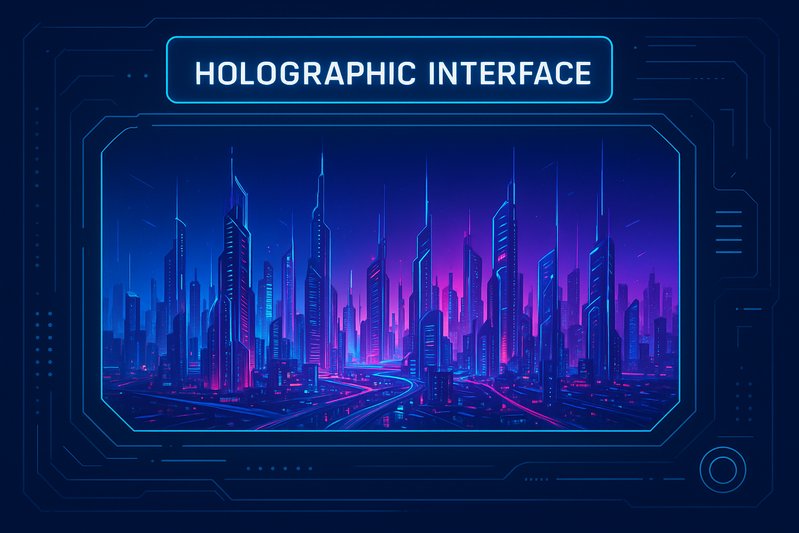
The Unity 6 Advantage: Crafting Sci-Fi Frontiers
Why Unity 6 Sets the Standard for Cross-Platform Sci-Fi Experiences
In the ever-evolving realm of game development, crafting captivating sci-fi experiences often demands leveraging cutting-edge technology to paint vivid, otherworldly visuals and simulate complex, futuristic worlds. With the release of Unity 6, game developers now have a formidable tool at their disposal, specifically tailored to meet the unique challenges and opportunities presented by the sci-fi genre. This article delves into how Unity 6 sets new benchmarks in creating cross-platform sci-fi games, offering unparalleled flexibility and power for developers.
Unity 6: A Game Changer for Sci-Fi Developers
Unity 6’s release focuses on delivering “blockbuster graphics, multiplayer capabilities, DOTS, and AI tooling,” all vital components for the modern sci-fi game developer. Unlike its competitors, such as Unreal Engine 5.x, renowned for its cinematic fidelity and large-scale world-building, Unity 6 stands out for its capacity to deliver sophisticated cross-platform experiences, essential for sci-fi projects targeting PC, console, mobile, and particularly virtual and mixed reality (VR/MR) spaces.
Harnessing the Power of HDRP and DOTS
Unity 6 introduces enhancements to its High Definition Render Pipeline (HDRP), bringing physically-based rendering to sci-fi worlds with dazzling ray tracing effects and realistic path tracing modes. These advances are crucial for creating the atmospheric environments and neon-lit interiors that define the sci-fi genre. The HDRP is complemented by volumetric lighting and cloud systems, creating stunning visuals for space-age cities and atmospheric excursions.
Simultaneously, Unity’s Data-Oriented Technology Stack (DOTS) provides the simulation scale that sci-fi dreams are made of. Whether animating thousands of entities like bustling metropolis crowds or recreating dynamic asteroid belts, DOTS ensures high performance and deterministic simulations, which are vital for maintaining the immersion and flow in complex sci-fi worlds.
AI Innovations for Engaging Sci-Fi Narratives
Artificial intelligence (AI) is a central element in bringing sci-fi games to life. Unity 6 continues this pursuit with tools like Unity ML-Agents and partnerships with platforms such as NVIDIA ACE, Inworld AI, and Convai. These advancements allow for the creation of more immersive player experiences with realistic NPC interactions, crucial for meaningful storytelling in sci-fi environments. Although real-time gen-AI usage is gated by factors such as cost and latency, Unity’s continued focus on AI tooling integration positions it as a leader in this realm.
Examples of Unity’s Impact in Sci-Fi Development
Unity’s prowess is exemplified in games like Kerbal Space Program 2. This game leverages Unity’s simulation capabilities to deliver complex orbital mechanics and robust modding practices, showcasing Unity’s capability to handle hard sci-fi systems effectively. As such, Unity meets the demanding requirements of projects relying on accurate simulations and extensibility through user-generated content.
Unity’s PolySpatial feature makes it a compelling choice for visionOS development, particularly for futuristic mixed-reality scenarios. This aligns seamlessly with Apple’s visionOS, enabling unity-created MR experiences centered on diegetic holograms and tactical interfaces.
A Unified Pipeline Across Platforms
Unity 6 excels in providing a streamlined path for cross-platform compatibility. Whether it’s targeting high-end PCs with advanced ray-tracing features, adapting for mobile phones, or pushing the frontiers of XR (Extended Reality), Unity 6 stands out in its versatility. Its integration with OpenXR further simplifies the development process across various VR/MR devices, providing developers with the tools necessary to create immersive experiences that transcend traditional platform boundaries.
Asset Ecosystem and Procedural Tools
Asset creation and content generation are seamless processes with Unity 6, thanks to its comprehensive asset pipeline. Tools like Quixel Megascans and Houdini Engine enable developers to rapidly prototype and populate rich sci-fi environments with PBR (physically-based rendering) ready assets. OpenUSD and MaterialX further facilitate a consistent workflow across different stages of development, from DCC (Digital Content Creation) tools to engine integration, thereby reducing friction in material and geometry handling across platforms.
Conclusion: Unity 6 as the Future of Sci-Fi Game Development
As the gaming landscape evolves, Unity 6 emerges as an indispensable tool for sci-fi game developers aiming to break new ground with cross-platform capabilities, advanced simulation, and rich visual fidelity. The engine’s adaptability across different hardware, coupled with its robust AI and asset ecosystem, positions it as a leader in crafting immersive and engaging sci-fi experiences.
By aligning with industry trends and staying ahead of technological advancements, Unity 6 empowers developers to push the boundaries of what’s possible, ensuring that sci-fi narratives not only remain compelling but continue to captivate audiences with their innovation and creativity.
The Unity 6 advantage lies in its blend of flexibility and performance, making it the go-to engine for developers seeking to build the next generation of sci-fi frontiers.