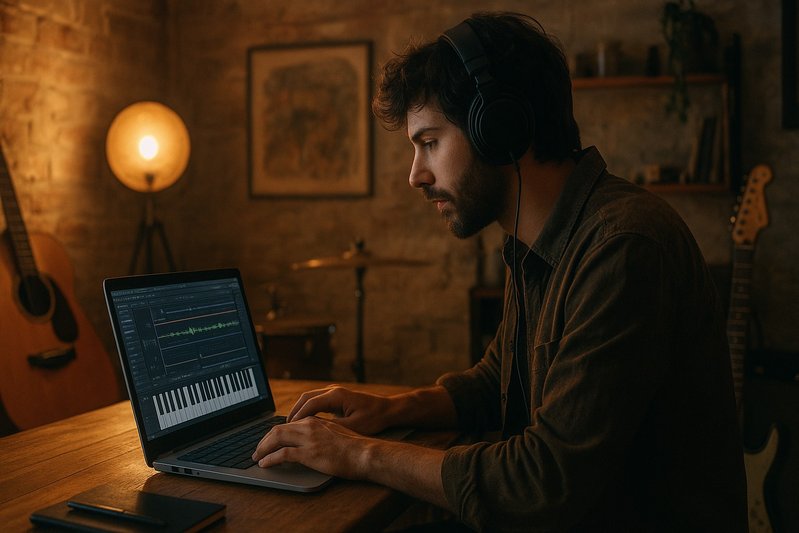
The AI Music Revolution and Bandcamp’s Monetization Ecosystem
Maximizing Earnings as an Independent Artist Using AI Tools and Bandcamp’s Flexible Revenue Streams
As the world of music steadily dives into the transformative waters of Artificial Intelligence (AI), independent artists are uniquely positioned to benefit from new tools and platforms. One of the standout platforms leading this revolution is Bandcamp, which continues to offer flexible and artist-friendly monetization options without imposing any specific bans on AI-generated content. Here’s how independent artists can harness these developments to maximize their earnings and increase their reach.
Bandcamp’s Progressive Approach to AI-Generated Music
In 2026, Bandcamp remains committed to providing a rights-based platform for artists, regardless of whether their music is human-performed, AI-assisted, or fully AI-generated. This flexibility allows independent musicians to fully exploit cutting-edge AI tools to create innovative sounds and compositions without fear of arbitrary censorship.
According to Bandcamp’s Terms of Use, artists must own or control all necessary rights to their uploaded content. This framework allows for a wide variety of production techniques, including AI, as long as proper rights management is observed [Bandcamp Terms of Use]. Moreover, Bandcamp relies on a complaint-driven process for content enforcement, similar to the DMCA notice-and-takedown system, minimizing the risk of preemptive censorship [Bandcamp Copyright Policy].
Diverse Monetization Opportunities on Bandcamp
Bandcamp is renowned for its robust monetization avenues that extend beyond traditional music sales. Artists can capitalize on track and album sales, fan subscriptions, and merchandise, all supported by Bandcamp’s transparent revenue model. One of the most popular features is the “pay-what-you-want” option, which allows fans to support artists beyond a set price while also acquiring premium content [Bandcamp Pricing].
Fan subscriptions offer another layer of income, providing artists with recurring revenue through exclusive content and early access perks. Artists utilizing AI to produce unique, tailored experiences can particularly benefit from this subscription model. However, they must remain vigilant against the risk of rights complaints, such as those stemming from unauthorized use of voice cloning or unlicensed samples, which could jeopardize subscription content [Bandcamp Pricing].
Risk Management and Strategic Revenue Diversification
Despite the potential of AI-generated music, artists should remain cognizant of potential risks, especially concerning rights infringement. An effective strategy involves maintaining a diverse revenue stream across multiple platforms to mitigate the impact of potential takedowns or disputes. Engaging with platforms like Patreon, YouTube, and SoundCloud, which also support AI-generated content under rights-based terms, provides a safety net and additional income opportunities [YouTube AI policy update].
For example, YouTube requires disclosure of synthetic content, fostering transparency and potentially building more robust fan relationships through honesty and authenticity. Similarly, SoundCloud’s Fan-Powered Royalties model rewards concentrated fan engagement, making it an ideal platform for nurturing deep artist-fan connections [SoundCloud Fan-Powered Royalties].
AI Tools: Bridging the Creative Gap
AI tools continue to redefine what it means to compose and produce music. From generating novel soundscapes to automating laborious tasks like mixing and mastering, AI empowers artists to focus on their creative vision. By integrating AI with platforms like Bandcamp, artists can explore new sonic territories while maintaining a sustainable financial path.
Conclusion: The Road Ahead for Independent Artists
Bandcamp’s inclusive policy towards AI-generated music, combined with its flexible monetization tools, offers unparalleled opportunities for independent artists aiming to advance their musical careers in the digital age. By strategically leveraging AI tools and diversifying revenue streams across supportive platforms, artists can maximize their earnings and maintain artistic freedom. As transparency and rights management continue to be paramount, the future looks promising for those willing to embrace the AI music revolution with tactical foresight.
Key Takeaways:
- Bandcamp does not impose specific bans on AI-generated content, provided that all rights are owned and respected.
- Artists can utilize Bandcamp’s robust monetization options, including “pay-what-you-want” sales, subscriptions, and merchandise.
- Platforms like YouTube and SoundCloud complement Bandcamp by offering additional revenue streams and engagement models.
- Effective rights management and strategic diversification across platforms are essential to navigating potential legal pitfalls in the evolving AI music landscape.
Sources
-
Url: https://bandcamp.com/terms_of_use Title: Bandcamp Terms of Use Relevance: Provides the foundational policy that allows AI-generated content, focusing on rights ownership.
-
Url: https://bandcamp.com/copyright Title: Bandcamp Copyright Policy Relevance: Details complaint-driven enforcement, crucial for understanding risk management concerning AI-generated music.
-
Url: https://bandcamp.com/pricing Title: Bandcamp Pricing Relevance: Outlines Bandcamp’s monetization options, key for maximizing artist earnings.
-
Url: https://soundcloud.com/terms-of-use Title: SoundCloud Terms of Use Relevance: Provides context on SoundCloud’s rights-based policy relevant for artists using AI tools on the platform.
-
Url: https://artists.soundcloud.com/fan-powered-royalties Title: SoundCloud Fan-Powered Royalties Relevance: Explains SoundCloud’s monetization model which supports AI-generated and other content.
-
Url: https://blog.youtube/news-and-events/ai-updates-responsibly-updating-our-approach-to-ai-on-youtube/ Title: YouTube: Updating our approach to AI on YouTube (synthetic content disclosures) Relevance: Highlights YouTube’s transparency requirements, enhancing understanding of AI-generated content disclosure needs.