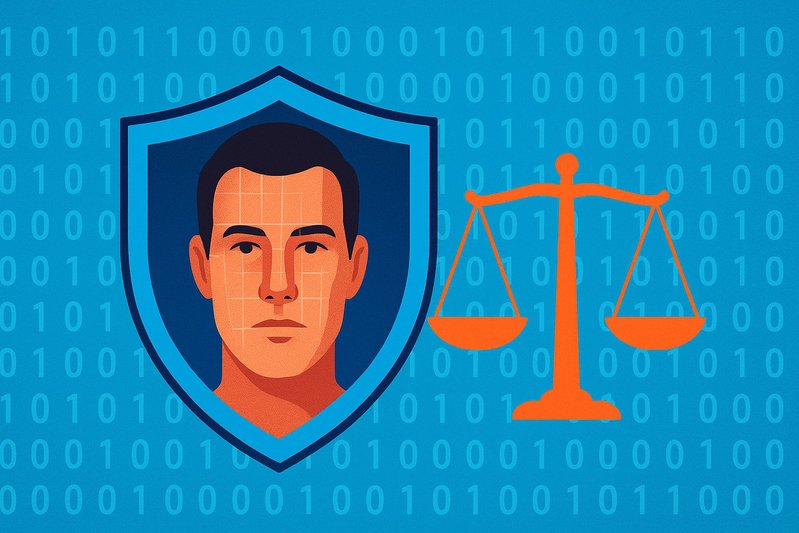
Strengthening Digital Defenses: Legislation Meets Technology
Examining the Intersection of Law and Technology in Combatting Synthetic Media Threats
In an era where technology evolves at a breakneck pace, the reach and influence of synthetic media have become both a marvel and a menace. Deepfakes, highly realistic yet artificial media creations, are at the center of this double-edged sword. As these digital concoctions become more convincing, their potential for abuse intensifies, posing significant threats in privacy, security, and trust. To address these challenges, the synergy between legislation and technological safeguards forms a critical front in the digital defense arena.
The Role of Legal Frameworks
Recent legislative efforts, particularly those focusing on so-called “Deepfake Victims” bills, highlight how pivotal legal frameworks are in fostering the adoption and efficacy of technological safeguards against synthetic media. These legislative frameworks mandate or incentivize the use of various technological measures, such as content provenance, watermarking, and detection systems to preemptively combat the misuse of deepfakes.
EU’s Proactive Stance
The European Union has taken a notably proactive approach through legislation like the AI Act and the Digital Services Act (DSA), which demand transparency and use state-of-the-art methods for AI-generated or manipulated content. These regulations require very large online platforms to adhere to rigorous notice-and-action obligations, enhancing internal takedown processes and labeling practices (Source). Such measures have significantly reduced the time-to-detection and time-to-takedown for deepfake content by setting clear criteria for compliance and platform duties.
UK and US Initiatives
Similarly, the UK’s Online Safety Act and newly introduced intimate-image abuse offenses place specific responsibilities on platforms to safeguard users against the distribution of harmful synthetic media, including deepfake pornography (Source). These laws empower authorities like Ofcom to enforce compliance through codes of practice. Meanwhile, in the United States, while federal directives through Executive Order 14110 and the NIST AI Risk Management Framework promote voluntary adoption of these technologies, the absence of mandatory requirements under federal law means that much of the responsibility still falls on industry self-regulation (Source).
Technological Safeguards in Action
Provenance and Watermarking
A cornerstone of technological defenses against deepfakes is the use of content provenance and watermarking. Systems like C2PA (Coalition for Content Provenance and Authenticity) provide cryptographic manifests that verify the origin and edit history of digital content, offering strong evidentiary value (Source). These systems dramatically enhance transparency and reliability, ensuring that media can be traced back to its source if its authenticity is questioned.
Detection and Hash-Matching
Detection systems, equipped with hash- and face-matching technologies, are employed to scan for known malicious or counterfeit content across platforms. StopNCII, for instance, enables users to create privacy-preserving hashes of their images, allowing cooperating platforms to block matching uploads swiftly (Source). By doing so, these systems not only aid in swift identification but also in the timely removal of problematic content.
Despite the promise of these technologies, their effectiveness is not without limitations. Challenges such as distribution shift in detection systems and susceptibility to adversarial manipulation can reduce accuracy. Moreover, the uneven adoption of these technologies across platforms, especially in adult-content and offshore sites, limits their full potential.
The Importance of Interoperability and Cross-Border Cooperation
One of the primary challenges in effectively combatting synthetic media lies in interoperability and the enforcement of cross-border regulations. Divergent regulatory frameworks across regions foster environments that motivated offenders can exploit by hosting harmful content in jurisdictions with laxer laws. Cooperative efforts such as governance frameworks for hash-sharing and mutual legal assistance are crucial for fortifying digital defenses globally.
By codifying standards like those set by the C2PA and promoting the participation of platforms in governed NCII hash-sharing consortia, legislation can close existing gaps. Moreover, instituting clear, outcome-based service obligations, particularly regarding the swift removal and labeling of deepfake content, would further enhance the efficacy of these safeguards.
Legislative Recommendations for Maximum Impact
To maximize the impact of deepfake legislation, a concerted focus on interoperability, compliance, and continuous evaluation of technological standards is paramount. Mandating default provenance and watermarking for major media generators and requiring network participation in hash-sharing initiatives can significantly reduce the spread of non-consensual intimate imagery and fraudulent content.
Additionally, services should be bound to meet measurable targets for time-to-action on various deepfake harms within risk-based frameworks. Such obligations would ensure platforms not only adopt but actively maintain high standards for content management and victim relief.
Conclusion: A Layered Approach for Robust Protection
Technological safeguards bolstered by legislative support have proven their worth in mitigating the harm posed by deepfakes within cooperative networks. By enshrining these defensive measures into enforceable standards, legislation can guide the global response to synthetic media threats. The key lies in a layered approach that champions transparency, cross-platform standardization, and inter-agency cooperation.
To sustain these gains, legislatures must continue to adapt, ensuring that laws keep pace with technological innovation while reaffirming commitments to privacy and expression rights. Only through this synergy of law and technology can the dangers of synthetic media be effectively managed, securing digital spaces for all.