Optimizing Data Processing for Next-Gen Pipelines
Mastering Vectorized and Columnar Optimizations for Efficiency
In an era where data processing and analysis demand both speed and precision, optimizing data pipelines to handle larger volumes efficiently becomes paramount. As enterprises prepare for next-generation end-of-day (EOD) stock analysis pipelines envisioned for 2026, the focus shifts to mastering vectorized and columnar strategies. These techniques promise to unlock unprecedented computational efficiency by enhancing both processing speed and resource utilization.
The Architecture of High-Performance Pipelines
The high-performance pipeline of 2026 leverages a harmonious integration of several key technologies. At its core, it combines an intelligent implementation of high-fan-out, rate-aware network I/O with cutting-edge in-memory processing. This results in significantly reduced latency and improved throughput, essential for processing vast datasets such as those required for EOD stock analysis.
The architecture is typically designed in two tiers: a highly concurrent acquisition service, followed by a vectorized compute stage. This setup leverages languages like Go, Rust, and Java for efficient I/O operations, while Python, armed with libraries like Polars and Arrow, handles the compute-heavy stages. Such a divided architecture isolates vendor variability, reduces write amplification, and ensures ease in verifying data integrity through idempotency and version control.
Venturing into Vectorized Computing
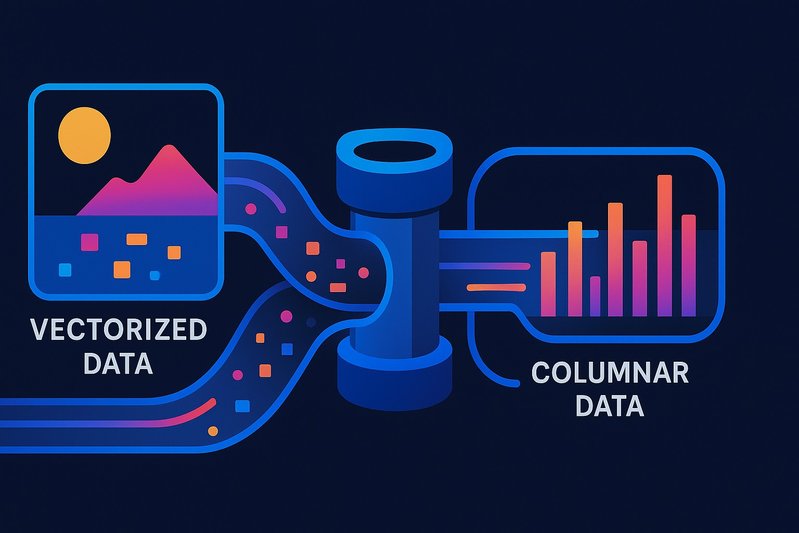
Vectorized computing is at the heart of these next-gen pipelines, pushing the boundaries of what’s computationally feasible. By utilizing columnar data formats such as Arrow and Parquet, these pipelines exploit the efficiencies of modern CPUs, which are better suited to handle simd-vectorized operations compared to traditional row-wise processing.
Polars, a fast DataFrame library implemented in Rust, exemplifies how vectorized computing can achieve up to 10x performance gains over row-based systems like Pandas. Its lazy execution model allows for query optimization, which delays the computation until the code is ready to execute, ensuring only the minimal amount of data processing required.
Columnar Storage: The Game Changer
The adoption of columnar storage formats is revolutionizing how data is accessed and processed. By organizing data into columns rather than rows, systems like Apache Parquet allow for quicker access to data due to their cache-efficient layout. It enables operations like predicate pushdown and columnar compression, further minimizing I/O and improving access speeds.
In addition to storage benefits, columnar formats facilitate smoother data interchange across the pipeline’s various stages. Formats such as Parquet and Arrow maintain high levels of interoperability, allowing seamless transitions between different parts of the pipeline without unnecessary data transformations.
Harnessing Language-Specific Capabilities
Each programming language offers unique strengths that can be harnessed to optimize different stages of a data processing pipeline. For instance, Go’s lightweight concurrency model, featuring goroutines and channels, makes it an exceptional choice for the initial data acquisition tier. It provides robust support for HTTP/2, which is central to reducing application-layer head-of-line blocking.
Rust, with its memory safety features and async I/O capabilities powered by Tokio, offers deterministic performance and fine-grained control over memory use, making it suitable for both data acquisition and compute-intensive tasks. Meanwhile, Python, when combined with async I/O and jit-compiled libraries, remains a versatile choice for analytics-heavy stages, providing rapid prototyping and deep integration with data science tools.
Implementing Resilience and Observability
A robust pipeline isn’t just fast; it’s reliable. Implementing structured concurrency and comprehensive observability measures ensures that the system can handle varying loads and recover gracefully from errors. OpenTelemetry, for example, provides invaluable insights into performance bottlenecks and operational inefficiencies, enabling real-time monitoring and tuning of the pipeline.
Robust error-handling mechanisms such as circuit breakers and retries with exponential backoff allow the pipeline to maintain high availability even when encountering routine API failures or rate limits. Moreover, modern designs incorporate idempotency into persistence layers, ensuring that duplicate requests don’t contaminate data integrity.
Conclusion: Towards a Future of Optimized Data Processing
As the demands of data processing continue to evolve, optimizing EOD analysis pipelines for speed, accuracy, and reliability will be crucial for competitive advantage. Leveraging advancements in vectorized computing and columnar storage aligns with this goal by providing the computational backbone needed to process and analyze vast datasets efficiently.
Future pipelines will continue to benefit from the evolving landscape of high-performance computing, paving the way for scalable, resilient, and responsive systems ready to meet the challenges of tomorrow’s data-driven industries.